
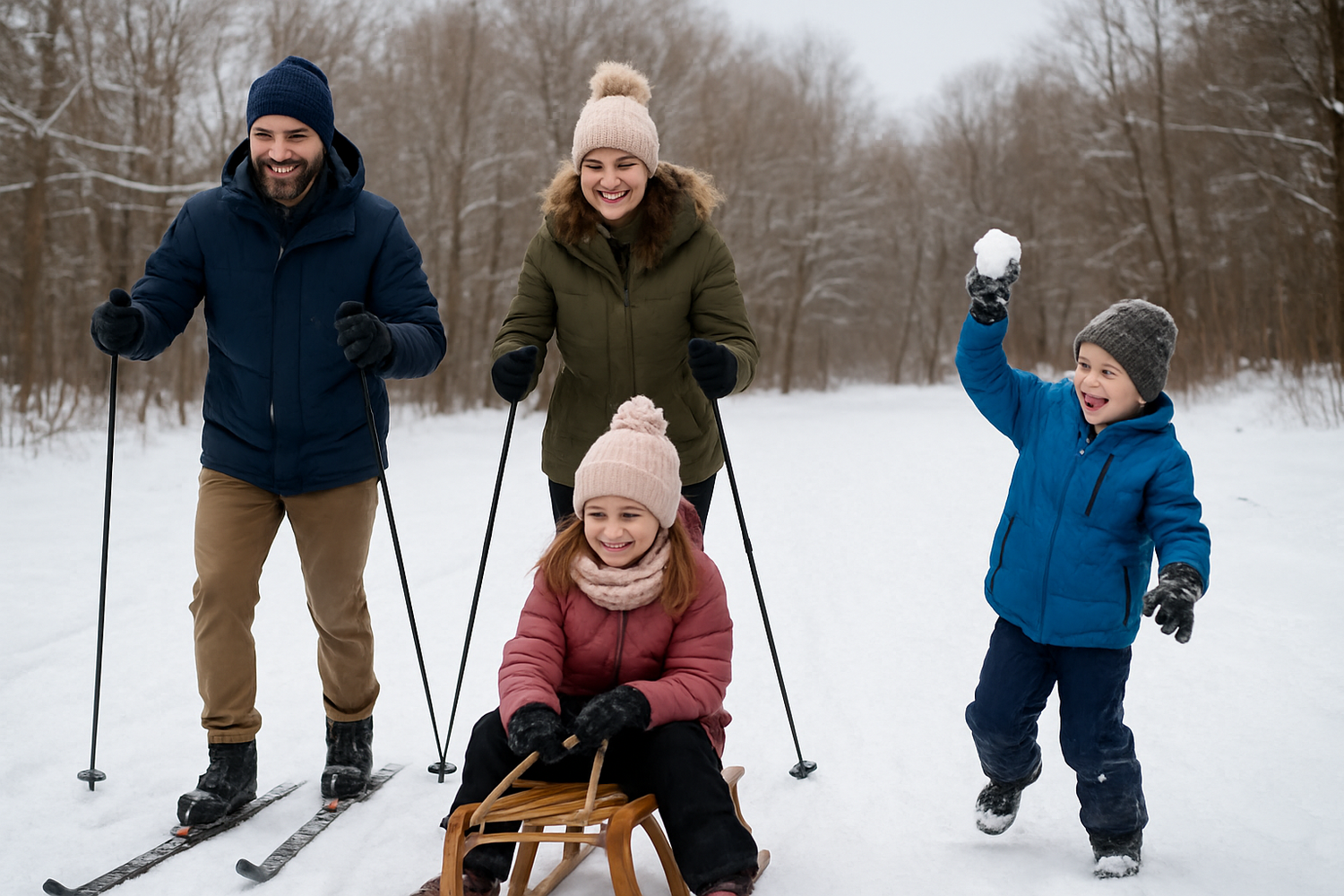
Why Winter Outdoor Activities Matter for Family Health
Winter's crystalline embrace often triggers hibernation instincts, compelling families toward sedentary indoor pursuits. However, maintaining kinetic engagement during colder months proves paramount for holistic wellness. The frigid season presents unparalleled opportunities for cardiovascular enhancement, vitamin D synthesis, and psychological resilience building.
Research demonstrates that outdoor winter activities elevate endorphin production significantly more than indoor counterparts. Cold-weather exposure activates brown adipose tissue, boosting metabolic efficiency while strengthening immune responses. Children particularly benefit from seasonal outdoor engagement, developing thermoregulatory adaptations that enhance their physiological robustness throughout life.
Modern families face unprecedented screen-time challenges. Winter outdoor pursuits provide essential digital detoxification opportunities, fostering genuine interpersonal connections while combating seasonal affective patterns. The crisp air and natural luminosity create optimal conditions for memory consolidation and cognitive enhancement.
Traditional Winter Sports for Active Families
Snow-Based Activities That Build Endurance
Snowshoeing emerges as an exceptional low-impact cardiovascular exercise suitable for diverse fitness levels. This ancient locomotion method burns approximately 400-1000 calories per hour while strengthening stabilizing musculature. Modern snowshoe designs accommodate children as young as six, enabling multigenerational participation.
Cross-country skiing offers comprehensive full-body conditioning, engaging both upper and lower extremities simultaneously. Unlike alpine variants, Nordic skiing requires minimal infrastructure investment while providing maximal fitness returns. The rhythmic gliding motion enhances proprioceptive awareness and balance coordination.
Sledding transcends mere recreational pursuit, developing core stability and reaction timing. Contemporary toboggan designs incorporate safety features while maximizing velocity experiences. Hills with gradual inclines provide optimal learning environments for novice participants.
Ice-Based Adventures for Skill Development
Ice skating cultivates graceful movement patterns while strengthening ankle stabilizers and gluteal complexes. Public rinks offer controlled environments for initial skill acquisition, while natural ice formations provide authentic wilderness experiences. Figure skating elements can be introduced progressively, enhancing artistic expression alongside athleticism.
Ice hockey fundamentals translate into exceptional agility training even without competitive participation. Basic stick-handling and puck control develop hand-eye coordination while skating mechanics improve lateral movement capabilities. Modified rules accommodate varying skill levels within family units.
"Winter outdoor activities create lasting memories while building physical resilience that serves families throughout their lives. The key lies in finding activities that challenge without overwhelming participants."
Creative Winter Games That Require Minimal Equipment
Backyard Winter Challenges
Snow sculpture competitions ignite artistic creativity while providing sustained physical engagement. Complex architectural endeavors require collaborative planning, problem-solving, and sustained exertion. Ice luminaries add magical evening elements, extending outdoor time beyond daylight constraints.
Winter scavenger hunts transform mundane landscapes into adventure territories. Nature-based challenges encourage observational skills while maintaining movement momentum. Seasonal items like pinecones, animal tracks, or frost formations provide educational opportunities alongside physical activity.
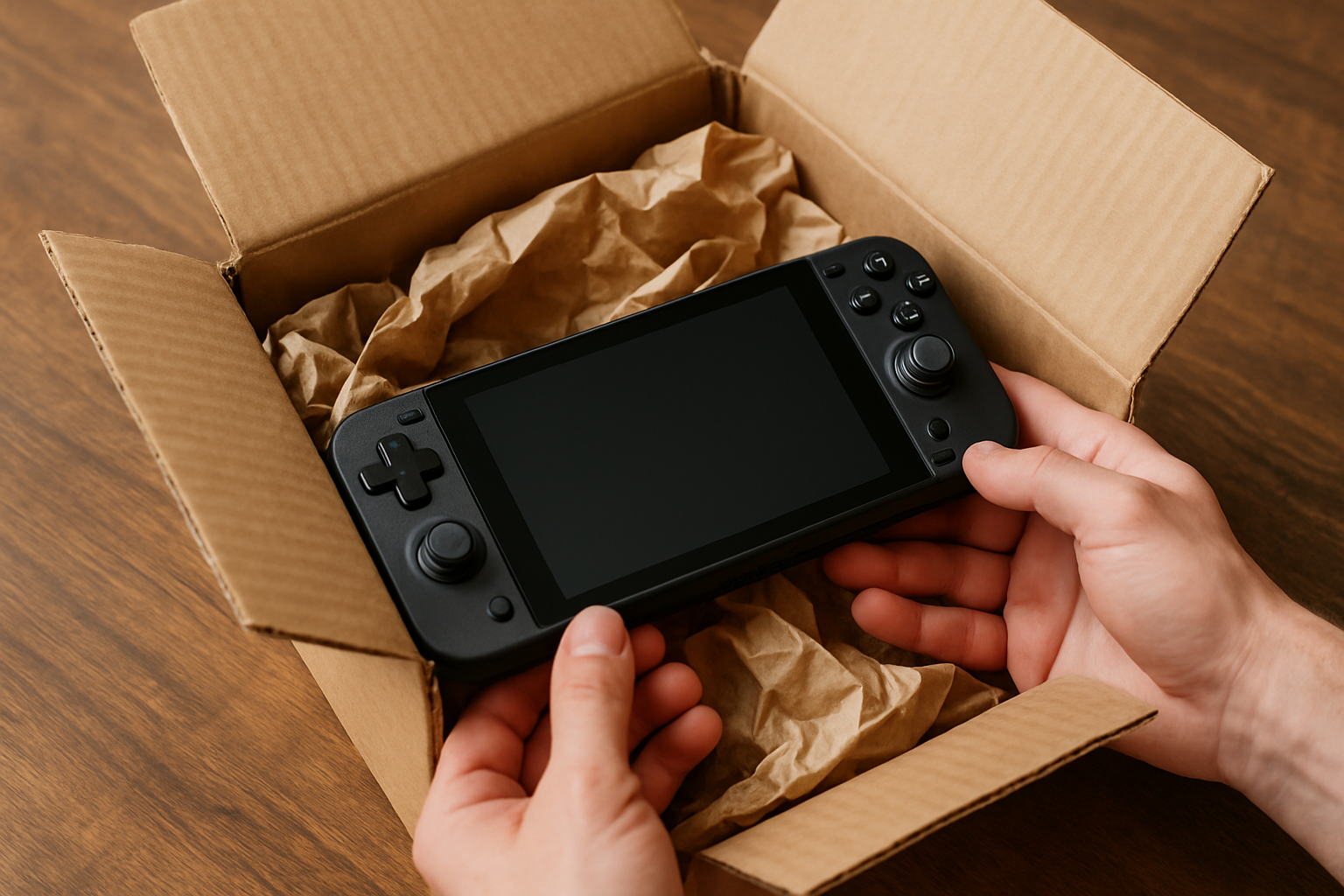
Portable games like Thruball adapt remarkably to winter conditions, offering familiar mechanics in novel environments. The compact design enables transportation to snow-covered parks or beaches where traditional summer activities prove impossible. Winter gameplay variations introduce seasonal challenges while maintaining core entertainment value.
Neighborhood Winter Olympics
Organizing community winter festivals builds social connections while encouraging sustained activity engagement. Snowball accuracy contests, winter relay races, and timed snow fort construction create competitive frameworks that motivate participation across age groups.
Winter hiking clubs develop exploration habits that persist year-round. Trail conditions during colder months present unique navigational challenges, enhancing spatial awareness and decision-making capabilities. Proper layering techniques and safety protocols become essential life skills.
| Activity Type | Equipment Needed | Age Range | Calorie Burn (per hour) |
|---|---|---|---|
| Snowshoeing | Snowshoes, poles | 6-99 | 400-600 |
| Cross-country skiing | Skis, boots, poles | 8-99 | 500-800 |
| Ice skating | Skates, helmet | 4-99 | 300-500 |
| Winter hiking | Boots, layers | 5-99 | 250-450 |
Safety Considerations for Winter Family Activities
Essential Gear and Clothing Systems
Layered clothing systems provide optimal thermoregulation while maintaining mobility freedom. Base layers should wick moisture efficiently, while insulating layers trap warm air effectively. Outer shells must repel wind and precipitation while allowing vapor transfer.
Extremity protection requires specialized attention due to rapid heat loss through hands, feet, and head regions. Quality mittens outperform gloves for warmth retention, while waterproof boots with adequate insulation prevent frostbite incidents. Head coverings should protect ears completely while maintaining visual and auditory awareness.
Emergency preparedness becomes paramount during winter outdoor pursuits. Portable communication devices, emergency shelters, and high-energy nutrition ensure safety margins during unexpected weather changes. First aid knowledge specific to cold-weather injuries proves invaluable for family safety coordinators.
Weather Assessment and Risk Management
Understanding meteorological patterns enables informed activity planning while minimizing exposure risks. Wind chill calculations determine safe exposure durations, while precipitation forecasts influence equipment selection and activity modifications.
Hypothermia recognition requires vigilant observation of behavioral changes, coordination impairment, and energy level fluctuations. Early intervention strategies include immediate warming, shelter seeking, and activity cessation when appropriate.
- Monitor local weather conditions continuously
- Establish clear communication protocols
- Plan escape routes and warm shelter locations
- Carry emergency nutrition and hydration supplies
- Implement buddy systems for safety accountability
Building Long-Term Winter Activity Habits
Sustainable winter activity engagement requires progressive skill development and realistic expectation management. Initial experiences should emphasize enjoyment over performance, building positive associations with cold-weather recreation. Gradual challenge escalation prevents overwhelm while maintaining motivation momentum.
Equipment investment strategies balance quality requirements with budget constraints. Rental options enable activity exploration without significant financial commitments. Quality purchases should prioritize safety-critical items while economizing on accessories and convenience features.
Community involvement amplifies motivation through social accountability and shared experiences. Local outdoor clubs provide expertise access while reducing isolation tendencies. Seasonal activity calendars create anticipation and commitment structures that sustain long-term participation.
Winter outdoor activities transform challenging seasons into opportunities for growth, connection, and vitality. Families who embrace cold-weather recreation develop resilience that extends far beyond physical fitness, creating lifelong patterns of adventure seeking and environmental appreciation. The investment in winter activity habits pays dividends through improved health, stronger relationships, and enhanced life satisfaction.

Leave a comment
This site is protected by hCaptcha and the hCaptcha Privacy Policy and Terms of Service apply.